KTTB: Shortage of radiology equipment and staff is extending waiting times
The Medical Association said imaging equipment that cannot be used is increasing the burden on central hospitals, and called for equipment, maintenance and staffing to be planned together.
This article was translated from Turkish with the help of artificial intelligence. Read the original (Türkçe)
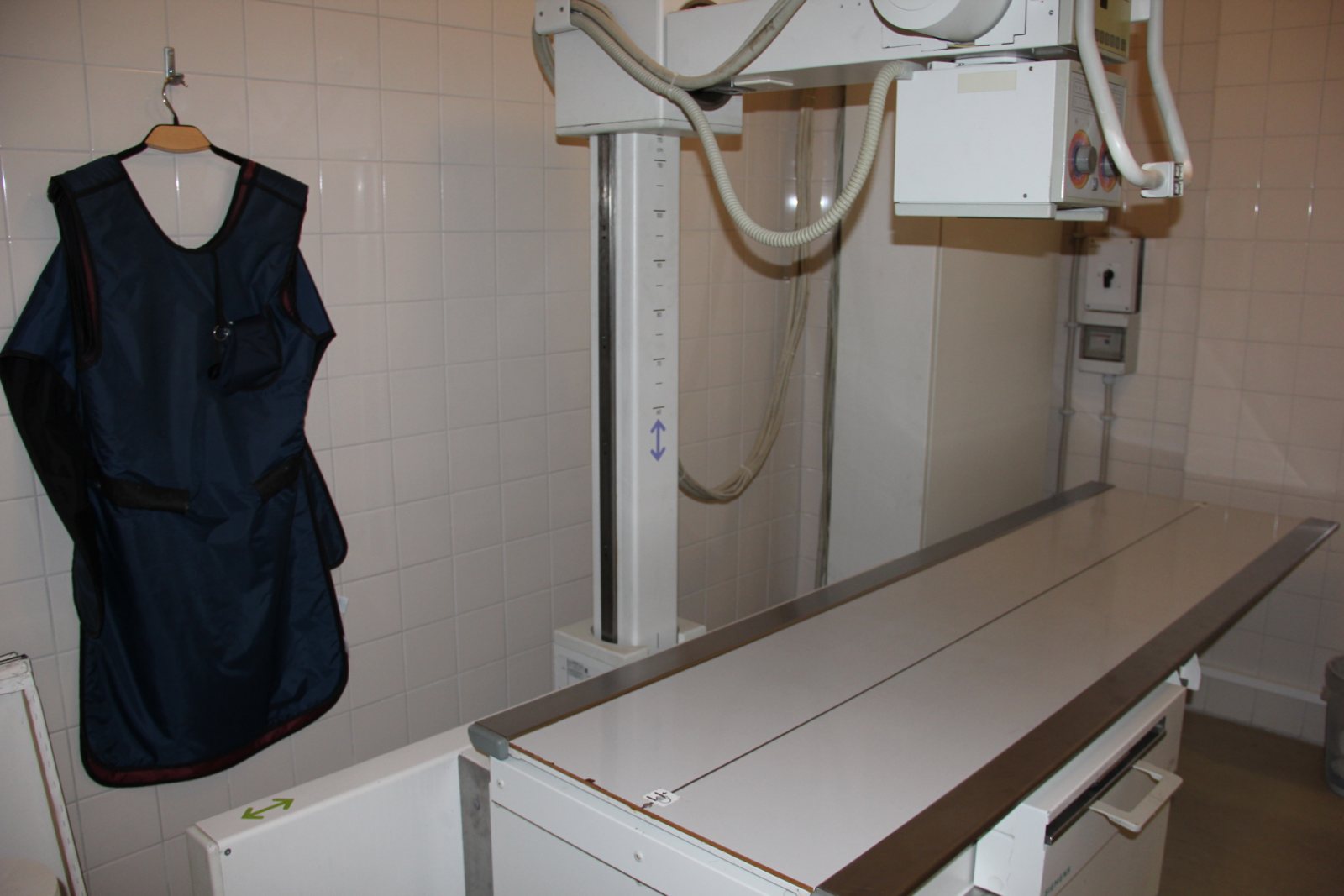
The Cyprus Turkish Medical Association (KTTB) said imaging equipment at district hospitals and health centres that cannot be used because of maintenance or staffing shortages is directing patients to central hospitals. According to the Association, this increases the workload for scans and reporting at central hospitals, extends waiting times and makes it harder for patients to access services.
In a statement issued on 8 November, World Radiology Day, and signed by KTTB Secretary-General and radiology specialist Dr Sinem Şığıt İkiz, the Association called for equipment, staffing and reporting capacity at public healthcare institutions to be strengthened together. It said this approach could reduce unnecessary referrals, patients’ loss of time and costs, while stressing that timely referrals where medically necessary must also be ensured.
Equipment investment must be matched by maintenance and staffing
“A high-quality and sustainable radiology service cannot be established simply by purchasing equipment,” the KTTB said. The Association said preventive maintenance, quality control, timely repairs, spare parts and technical service support should be included in investment planning, and highlighted the importance of having sufficient numbers of trained radiology technicians and specialists to ensure continuity of service.
Medical necessity matters more than the number of examinations
The statement said imaging methods should be selected in light of the patient’s symptoms, examination findings and previous scans. It called for radiation exposure, the need for contrast agents, age and the possibility of pregnancy to be assessed, and for radiation-free methods to be used where appropriate.
The Association also recommended cooperation between the doctor requesting the examination and the radiologist, the use of imaging guidelines, and the establishment of systems that provide access to previous examinations. It called for preventive healthcare and primary care to be strengthened, and for evidence-based screening programmes to be developed. It said reducing unnecessary examinations could free up staff time, equipment capacity and public resources for patients who need them.
Sources
- Bugün Kıbrıs — Tabipler Birliğinden radyoloji uyarısı: Cihaz arızaları ve personel eksikliği hastaların erişimini zorlaştırıyor
This article was prepared by compiling information from the sources above and rewriting it with the help of artificial intelligence. Our editorial principles